

By using our website, you agree to the use of cookies as described in our Cookie Policy
Blog
What to Expect During Fire Damage Cleanup in Seminole
Fire tears through your property and leaves more than just charred walls. There's water from the hoses. Soot baked into every surface. Smoke that's worked its way into places you didn't know existed. And now you're standing in the aftermath wondering what happens next. The cleanup process isn't straightforward, and it's not quick. But knowing what professionals actually do — and how each phase plays out — can help you stay grounded when everything feels uncertain.
We've walked business owners and homeowners through this process more times than we can count. The steps don't change much, but the timeline and intensity depend entirely on how far the damage went. Here's what you're really looking at when fire damage remediation restoration kicks off in Seminole.
They Check the Structure Before Anyone Goes In
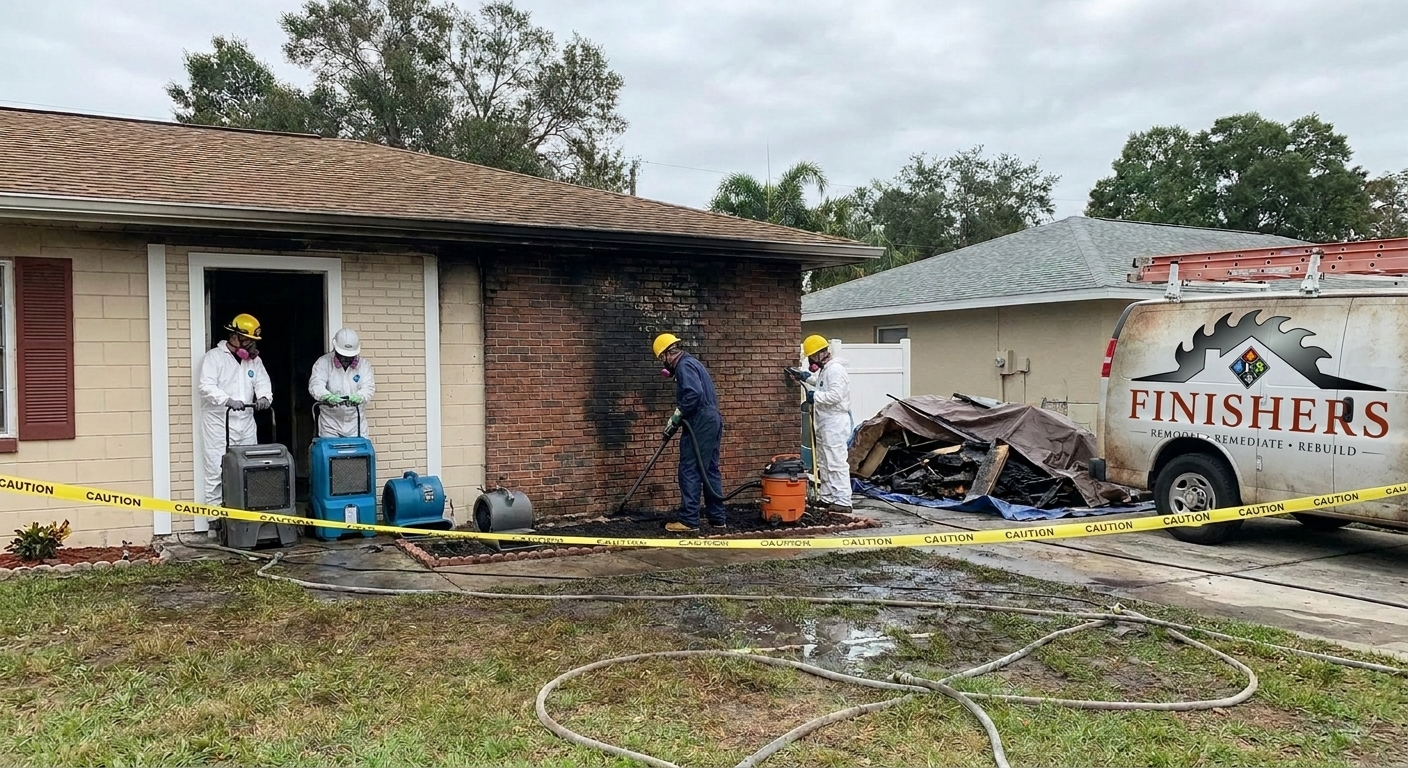
The first move isn't cleanup — it's safety. Restoration crews won't let you walk through the door until they've confirmed the building won't collapse on you. They're checking for compromised beams, unstable flooring, electrical hazards, and air quality issues. If the fire department didn't already red-tag the structure, the restoration team will make that call.
You might see them boarding up windows, throwing tarps over exposed sections of the roof, or sealing off areas that are too dangerous to enter. It's not dramatic — it's practical. And if they tell you to stay out, that's not a suggestion. The building might look intact from the outside, but fire weakens things you can't see until they fail.
Water Removal Comes Before Smoke Cleanup
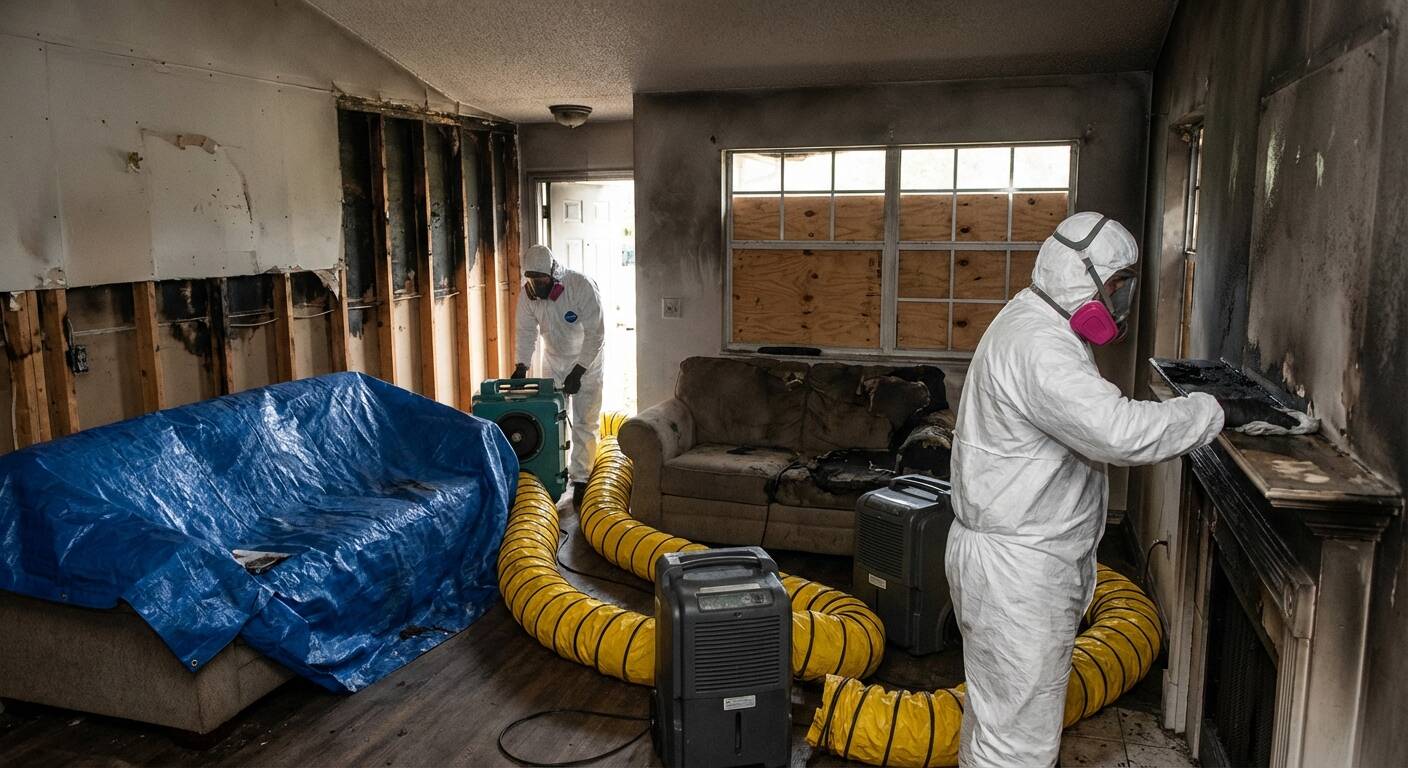
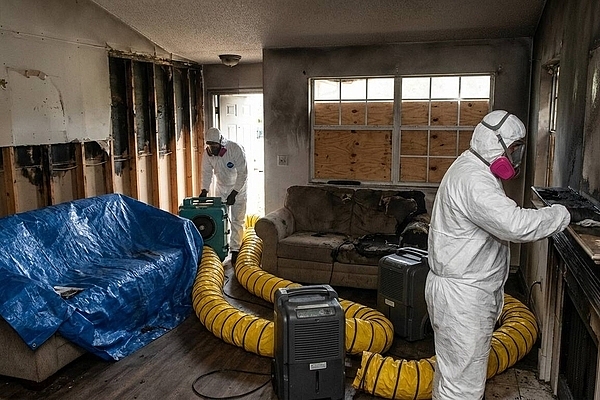
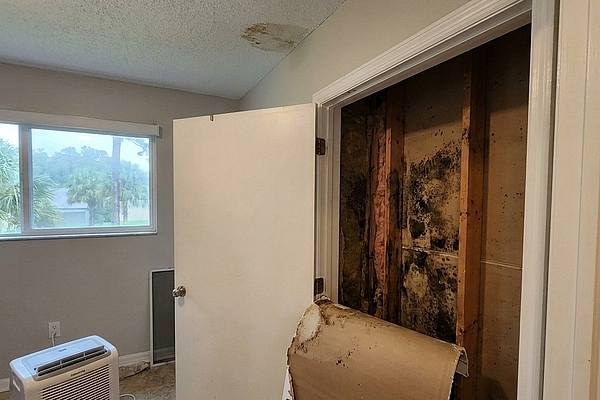
Firefighters don't care about your floors when they're putting out flames. That means standing water, soaked drywall, and saturated insulation are part of the package. Restoration teams pull out industrial pumps and extractors to clear the water fast. The longer it sits, the worse the secondary damage gets — and mold doesn't wait around.
Dehumidifiers and air movers run nonstop during this phase. It's loud. It's disruptive. But skipping it or cutting corners means you'll be dealing with structural rot and mold remediation restoration on top of everything else. Expect this stage to take anywhere from a few days to over a week, depending on how saturated the space is.
Soot Leaves a Mark on Everything
Smoke residue doesn't just sit on the surface — it bonds with materials. Walls, ceilings, furniture, even metal fixtures get coated in a greasy, acidic layer that keeps damaging things long after the fire's out. Professionals use specialized tools and chemicals to pull that residue off without making it worse.
They'll deploy HEPA vacuums, chemical sponges, and air scrubbers to tackle the mess. Some items can be saved. Others can't. The team will document everything that's too far gone and work with your insurance adjuster to make sure it's accounted for. Don't try to wipe things down yourself — you'll likely smear the soot deeper or damage the material permanently.
Odor Isn't Just Annoying, It's Embedded
That burnt smell doesn't fade with time or air fresheners. It's trapped in porous materials like drywall, wood, and fabric. Getting rid of it requires more than cleaning — it takes equipment designed to neutralize odor molecules at the source.
Restoration pros use ozone generators, hydroxyl machines, or thermal fogging to treat the air and surfaces. These aren't consumer-grade gadgets. They're industrial tools that actually change the chemistry of the odor. If the smell lingers after cleanup, it's a sign something was missed or the materials need to be replaced entirely.
Salvageable Items Get Deep Cleaning
Not everything has to be tossed. Restoration teams will separate what can be cleaned from what's too damaged to save. Furniture, textiles, electronics, and personal items all get evaluated. The ones worth keeping go through a detailed cleaning and deodorizing process using ultrasonic equipment, antimicrobial treatments, and controlled drying.
Expect this to take time. Some items might need to be moved offsite for specialized restoration. Others will be cleaned onsite. Either way, the goal is to return as much as possible to pre-fire condition — but there are limits to what's salvageable, and trying to force it usually ends in disappointment.
Repairs Range from Cosmetic to Structural
Once the property is clean, dry, and deodorized, the rebuild begins. Minor damage might mean patching drywall and repainting. Major damage could involve replacing entire sections of framing, electrical systems, or roofing. The scope depends on how deep the fire went and what the water did to the structure.
Good restoration companies coordinate with licensed contractors, electricians, and plumbers to handle the full scope of work. They'll pull permits, follow local building codes, and make sure inspections pass. This phase is where the timeline stretches out, especially if materials are backordered or custom work is required.
Insurance Paperwork Piles Up Fast
You'll be dealing with adjusters, estimates, and documentation throughout the entire process. Most restoration companies in Seminole work directly with insurers to streamline the claims process. They'll take photos, log every damaged item, and provide detailed reports that back up your claim.
That doesn't mean it's seamless. Adjusters might push back on certain repairs or request additional documentation. Having a restoration team that knows how to navigate those conversations makes a real difference. Keep your own records too — photos, receipts, and written summaries of every conversation. If something gets disputed later, you'll need the backup.
What You Should and Shouldn't Touch
Your instinct might be to start cleaning or salvaging items yourself. Don't. Soot is acidic and corrosive. Smoke particles are hazardous. Moving things without the right equipment or knowledge can make damage worse — or put your health at risk.
- Contact your insurance company immediately to report the fire and start your claim
- Document everything with photos and videos before anything is moved or cleaned
- Keep receipts for any emergency expenses like temporary housing or clothing
- Don't attempt to clean walls, furniture, or personal items without professional guidance
- Stay out of the property until the restoration team confirms it's safe to enter
Timelines Vary More Than You Think
Minor fire damage with limited smoke spread? You might be back in a few weeks. Major structural fire with heavy water involvement? Expect months. There's no universal timeline because every fire is different. What burned, how long it burned, and how much water was used all factor into the equation.
Restoration companies can give you estimates, but delays happen. Material shortages, permit approvals, and insurance negotiations all slow things down. The key is working with a team that communicates clearly and adjusts expectations as new issues surface.
Professionals Handle What You Can't
Fire damage cleanup isn't a DIY project. It requires specialized equipment, technical knowledge, and an understanding of how fire, smoke, and water interact with building materials. Cutting corners or hiring the cheapest option usually means you'll pay more in the long run — either in additional repairs or in lingering problems that never got fixed right.
- Certified restoration crews know how to assess structural integrity and air quality safely
- They carry industrial-grade equipment that removes water, soot, and odors effectively
- They understand insurance requirements and can document damage in a way that supports your claim
- They coordinate with contractors and handle permitting so you don't have to manage multiple vendors
- They follow IICRC standards and local codes to ensure the work is done right
The Work Extends Beyond What's Visible
Fire damage cleanup in Seminole isn't just about making things look normal again. It's about restoring safety, eliminating hidden hazards, and preventing long-term problems like mold, corrosion, or structural failure. The process is methodical because it has to be. Rushing it or skipping steps creates bigger issues down the line.
We've seen too many property owners try to fast-track recovery only to discover months later that smoke damage wasn't fully addressed or that water damage remediation issues were ignored. Professional home remediation restoration services take time, but they're the only approach that actually works. When you're choosing a restoration company, look for experience, certifications, and a track record of seeing jobs through from start to finish. For comprehensive hazard remediation restoration services and expert guidance through every phase of recovery, contact us today. That's what separates cleanup that holds up from cleanup that falls apart.
Let’s Restore Your Peace of Mind
Fire damage can feel overwhelming, but you don’t have to face the aftermath alone. We’re here to guide you through every step, from the first assessment to the final repairs, so you can get back to normal with confidence. If you’re ready to take the next step, give us a call at 727-443-4246 or request a quote and let’s start rebuilding together.
‹ Back
Recent Posts
-
What to Expect During Fire Damage Cleanup in Seminole
September 28, 2026
-
Does Your Tampa Bay Bathroom Feel Outdated or Too Small?
September 14, 2026
-
Why Are Cracks Showing Up in Your Seminole Drywall?
August 31, 2026
-
Is Your Tampa Bay Home Ready for Hurricane Season Repairs?
August 17, 2026
-
Can Water Damage Cause Hidden Mold in Seminole Homes?
August 3, 2026