


By using our website, you agree to the use of cookies as described in our Cookie Policy
Blog
Can Water Damage Cause Hidden Mold in Seminole Homes?
Most Seminole homeowners see water damage and think cleanup. Mop it up, dry it out, move on. But moisture doesn't always announce itself—and when it settles into the walls, under the floors, or inside your HVAC ducts, you're looking at a different problem entirely. Mold doesn't need much. Just darkness, warmth, and a little bit of water. And in Seminole's climate? That's a given.
So here's the reality. Water damage isn't just about what you can see. It's about what's breeding behind the drywall while you're assuming everything's fine. Every leak leaves a trail. Every storm that seeps through your roof creates opportunity. And every day you wait to address it gives mold another 24 hours to spread.
Seminole's Climate Works Against You
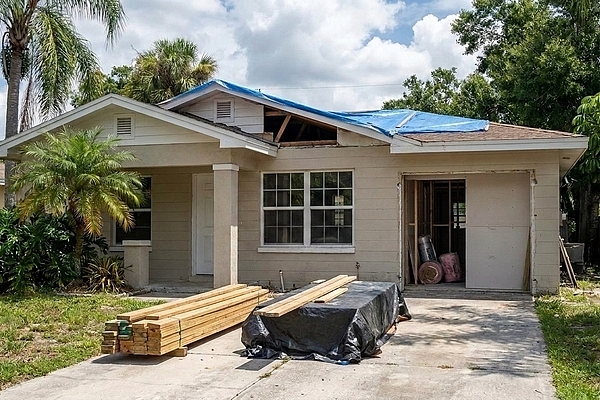
The subtropical weather here isn't doing your home any favors. High humidity, sudden downpours, and the occasional hurricane mean moisture is always trying to get in. Roofs leak. Pipes burst. Condensation builds up in places you don't check. And once water finds its way into porous materials like wood, insulation, or drywall, it doesn't just evaporate on its own.
That moisture sits. It seeps. And if you're not actively drying and treating those areas, you're handing mold the keys. The conditions are already there—mold just needs the invitation.
Spores Don't Wait for Permission
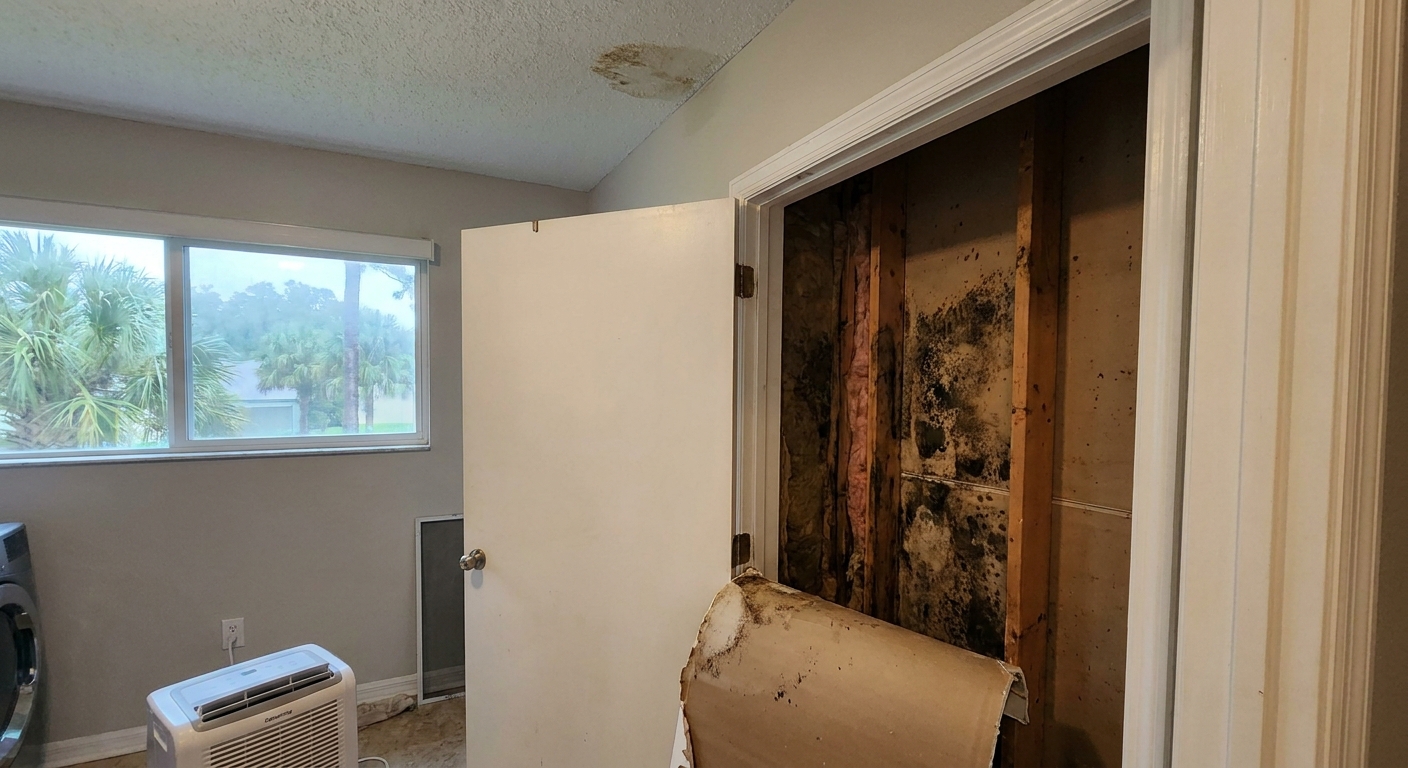
Mold spores are everywhere. Indoors, outdoors, floating through the air right now. They're harmless until they land somewhere damp. Then the clock starts. Within a day or two, growth begins. And it doesn't need light or fresh air—it thrives in the exact places you're not looking.
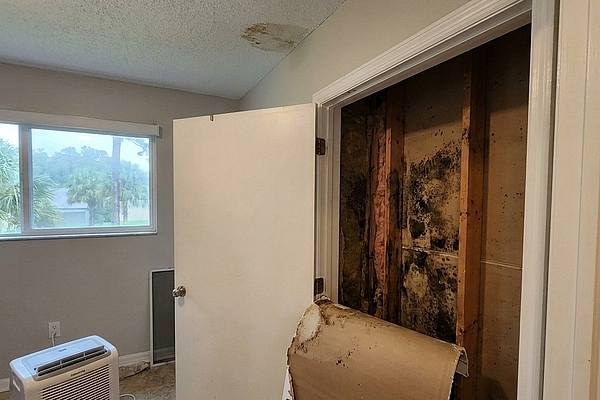
Behind walls. Under carpets. Inside air ducts. These are the breeding grounds most people never think to check. By the time you notice the musty smell or see discoloration creeping across a baseboard, the problem's already entrenched. That's the danger of hidden mold—it gets a head start while you're assuming everything's dry.
What It Does to Your Health
Mold doesn't just damage structures—it impacts people. Coughing, sneezing, itchy eyes, skin irritation. If someone in your home has asthma or allergies, the symptoms get worse. And because hidden mold isn't visible, residents often don't connect their health issues to what's growing inside their walls.
Prolonged exposure amplifies everything. Respiratory problems intensify. Immune systems get taxed. And if you've got kids or elderly family members in the house, the risks multiply. The longer mold stays hidden, the longer everyone's breathing it in without knowing the source.
Your Home Takes the Hit Too
Mold feeds on organic material. Wood studs, drywall, insulation—it breaks them down over time. Floors warp. Walls crumble. Support beams weaken. What started as a small leak can turn into structural damage that costs thousands to repair, all because the mold was allowed to flourish out of sight.
And if it's bad enough, you're not just patching drywall—you're gutting sections of your home and rebuilding. That's the cost of ignoring moisture. The damage doesn't stop at cosmetics.
Signs You've Got a Problem
- A persistent musty odor that won't go away, especially in certain rooms
- Stains or discoloration on walls, ceilings, or flooring
- Paint or wallpaper that's peeling without explanation
- Warped or buckling floors
- Health symptoms that flare up indoors and improve when you leave
- Recent water intrusion from leaks, flooding, or high humidity
Speed Matters More Than You Think
The moment water enters your home, the countdown begins. You've got 24 to 48 hours to dry everything out before mold takes hold. That's not a lot of time, especially if the water damage is extensive or hidden.
Don't assume towels and fans will cut it. If water's soaked into walls, flooring, or insulation, you need professional-grade drying equipment and someone who knows how to use it. Waiting until next week to "deal with it" isn't a plan—it's a gamble. And mold always wins those.
What You Should Be Doing
- Remove standing water immediately and start drying affected areas within hours
- Hire a water damage remediation team if the damage is more than surface-level
- Inspect vulnerable areas like attics, basements, and bathrooms regularly for leaks or condensation
- Run dehumidifiers and exhaust fans to keep indoor humidity below 60 percent
- Pay attention to unexplained health symptoms that could signal hidden mold
Professional Help Isn't Optional When Mold's Involved
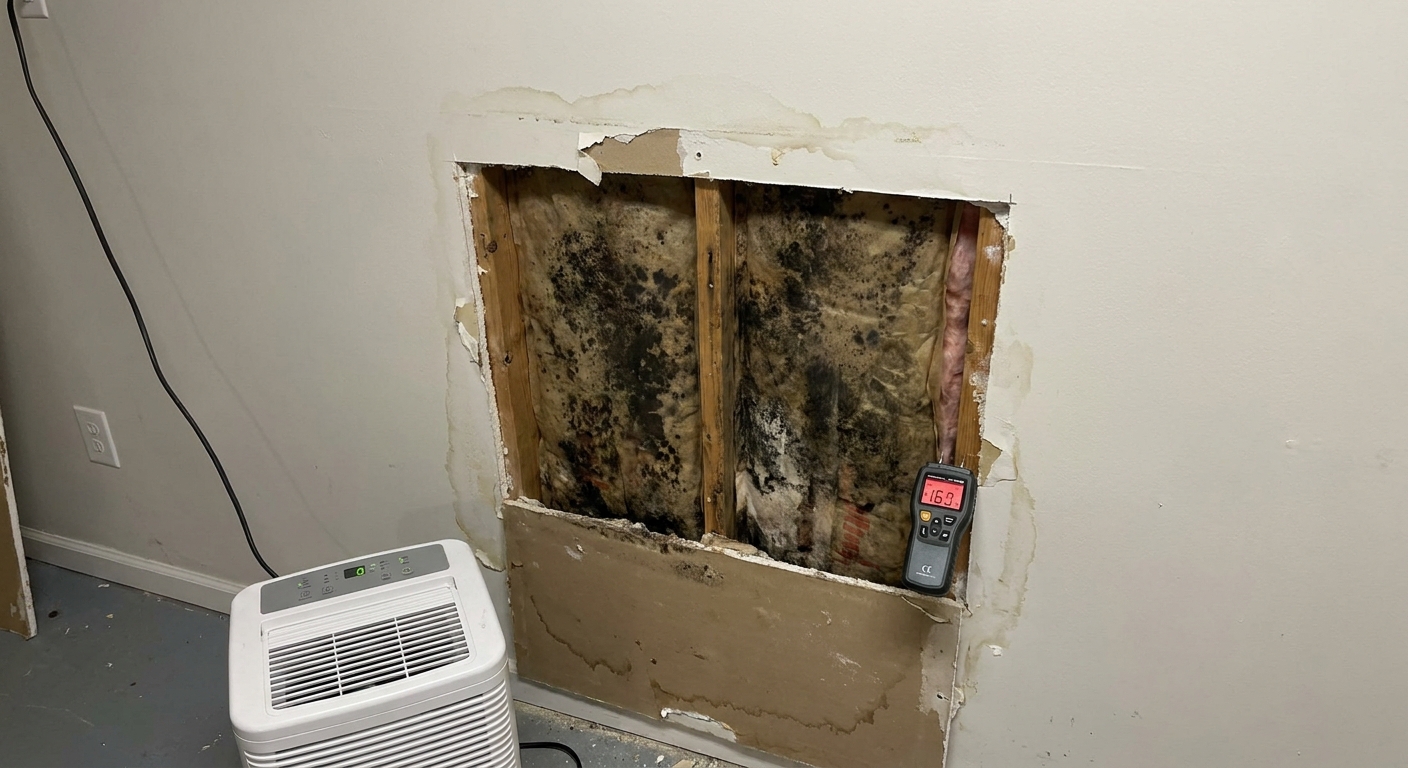
If you suspect hidden mold, don't try to handle it yourself. Disturbing mold without proper containment spreads spores throughout your home, making the problem worse. You need someone with the right tools—moisture meters, thermal imaging, air quality testing—to find it and remove it safely.
A mold remediation specialist doesn't just clean what's visible. They identify the source, treat affected areas, and verify that the air quality is back to normal. That's not something you can DIY with a bottle of bleach and a scrub brush.
Why Regular Inspections Matter
- Catch leaks before they turn into full-blown water damage
- Spot condensation buildup in areas with poor ventilation
- Identify early signs of mold growth before it spreads
- Prevent costly repairs by addressing issues while they're still small
- Maintain air quality and protect your family's health
Documentation Protects You Later
If you're dealing with water damage and suspect mold, document everything. Take photos. Save receipts. Keep records of professional inspections and remediation work. If you need to file an insurance claim or prove that you addressed the issue promptly, that paper trail becomes critical.
Insurance companies want evidence. They want timelines. And they want proof that you didn't let the problem sit for months before doing something about it. Protect yourself by keeping detailed records from day one.
Tools That Make a Difference
- Dehumidifiers to pull moisture out of the air and prevent mold growth
- Moisture meters to detect hidden water in walls and floors
- HEPA air purifiers to filter mold spores from indoor air
- Thermal imaging cameras to spot temperature differences that indicate moisture
- Antimicrobial treatments to prevent mold from returning after cleanup
Where Most Homeowners Slip Up
Assuming the problem's solved because everything looks dry. Surface-level drying isn't enough. If moisture's still trapped inside walls or under flooring, mold will develop whether you see it or not. Proper drying takes time, equipment, and verification—not guesswork.
Another mistake? Ignoring small leaks. A drip under the sink or a tiny roof leak seems manageable. But every drop adds up, and over time, those "minor" issues create major mold problems. Professional home repairs fix leaks immediately, no matter how small they seem.
Ventilation Changes Everything
- Install exhaust fans in bathrooms and kitchens to remove moisture
- Open windows when weather permits to improve airflow
- Run your HVAC system regularly to circulate air and reduce humidity
- Avoid drying clothes indoors unless you're using a vented dryer
- Check that attic and crawlspace vents aren't blocked
Moisture Stays Hidden Until It Doesn't
Water damage in Seminole homes isn't a one-and-done problem. It's an ongoing risk that demands vigilance, speed, and the willingness to call in professionals when things go beyond surface cleanup. Hidden mold doesn't announce itself—it builds quietly, spreads steadily, and costs more the longer it's ignored.
Your home's health depends on how you respond to moisture. Treat every leak like a ticking clock. Dry everything thoroughly. Inspect regularly. And when in doubt, bring in someone who knows what they're looking for. Whether you need hurricane damage restoration or hazard remediation services, professional assistance ensures thorough treatment. Because by the time you smell it, the damage is already done.
Let’s Protect Your Home Together
We know how quickly hidden mold can turn a small water issue into a major headache for Seminole homeowners. Don’t wait for the signs to get worse—let’s take action now to safeguard your family’s health and your home’s value. Call us at 727-443-4246 to speak with our team, or request a quote and we’ll help you get ahead of hidden mold before it becomes a bigger problem.
‹ Back
Recent Posts
-
Does Your Tampa Bay Bathroom Feel Outdated or Too Small?
September 14, 2026
-
Why Are Cracks Showing Up in Your Seminole Drywall?
August 31, 2026
-
Is Your Tampa Bay Home Ready for Hurricane Season Repairs?
August 17, 2026
-
Can Water Damage Cause Hidden Mold in Seminole Homes?
August 3, 2026
-