



By using our website, you agree to the use of cookies as described in our Cookie Policy
Blog
Is Your Tampa Bay Home Ready for Hurricane Season Repairs?
Most homeowners treat hurricane prep like a checklist. Plywood, water, batteries. Check, check, check. But the damage doesn't wait for you to be ready — it shows up where your house was already weak. A loose shingle becomes a missing roof section. A crack in the foundation turns into standing water in your crawl space. The Gulf doesn't care if you meant to fix that last year.
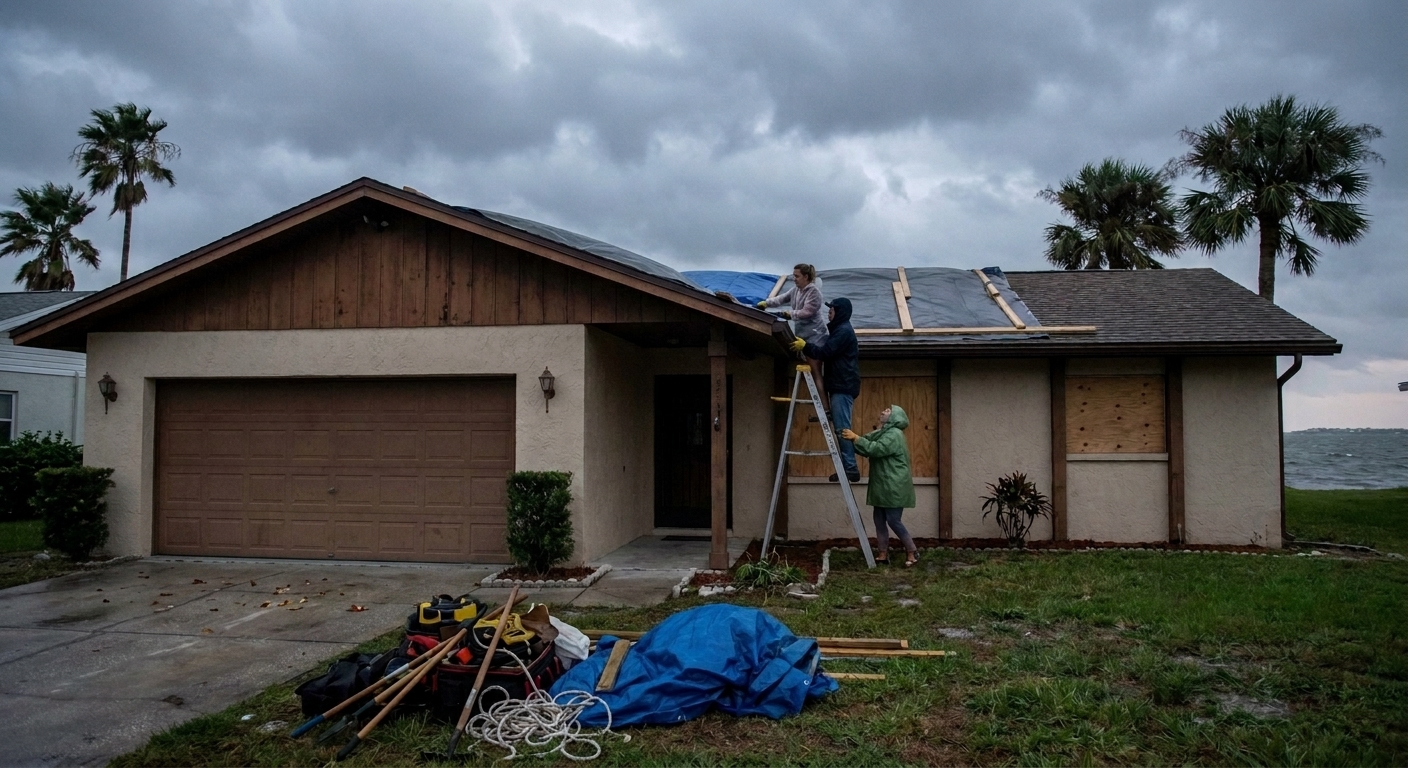
So here's what matters now. If your property has soft spots — places where wind or water could punch through — you're gambling with your biggest asset. Every repair you skip is an invitation. Every weak seal is a liability. And every decision about whether to fix something should be based on what it protects, not just what it costs to ignore.
The Coast Doesn't Give Second Chances
Tampa Bay sits in a geography that makes storms nastier than they look on the forecast. Low elevation, warm water, dense neighborhoods — it all adds up to flooding faster and wind damage spreading wider. A Category 2 here can wreck more than a Category 3 somewhere inland. The risk isn't theoretical. It's written into the foundation of every home within ten miles of the bay.
Most damage comes from three places: roofs that weren't sealed right, windows that crack under pressure, and water that finds a way in through cracks you didn't know existed. If your home has any of those vulnerabilities, you're not ready. And if you think your insurance will handle it without proof, you're about to learn an expensive lesson.
Your Roof Is the First Thing to Go
Walk your property and look up. Missing shingles? Rust on the flashing? Gaps around vents or chimneys? Those aren't cosmetic issues — they're entry points. Once water gets in, it spreads. Insulation soaks it up, drywall swells, and mold starts growing before you even know there's a problem.
Gutters matter more than people think. If they're clogged, water pools near your foundation instead of draining away. That turns into cracks, leaks, and structural settling. Clean them now. Check downspouts. Make sure water is being pushed at least six feet away from the house. If it's not, you're setting yourself up for basement flooding or foundation damage the next time a storm rolls through.
Windows and Doors Are Weaker Than You Think
Most homes lose structural integrity through the garage door first. It's wide, it's thin, and it's held in place by tracks that weren't designed for hurricane winds. If that door blows in, the pressure inside your house spikes and your roof can lift right off. Reinforce it. Add bracing kits. Don't assume it'll hold just because it hasn't failed yet.
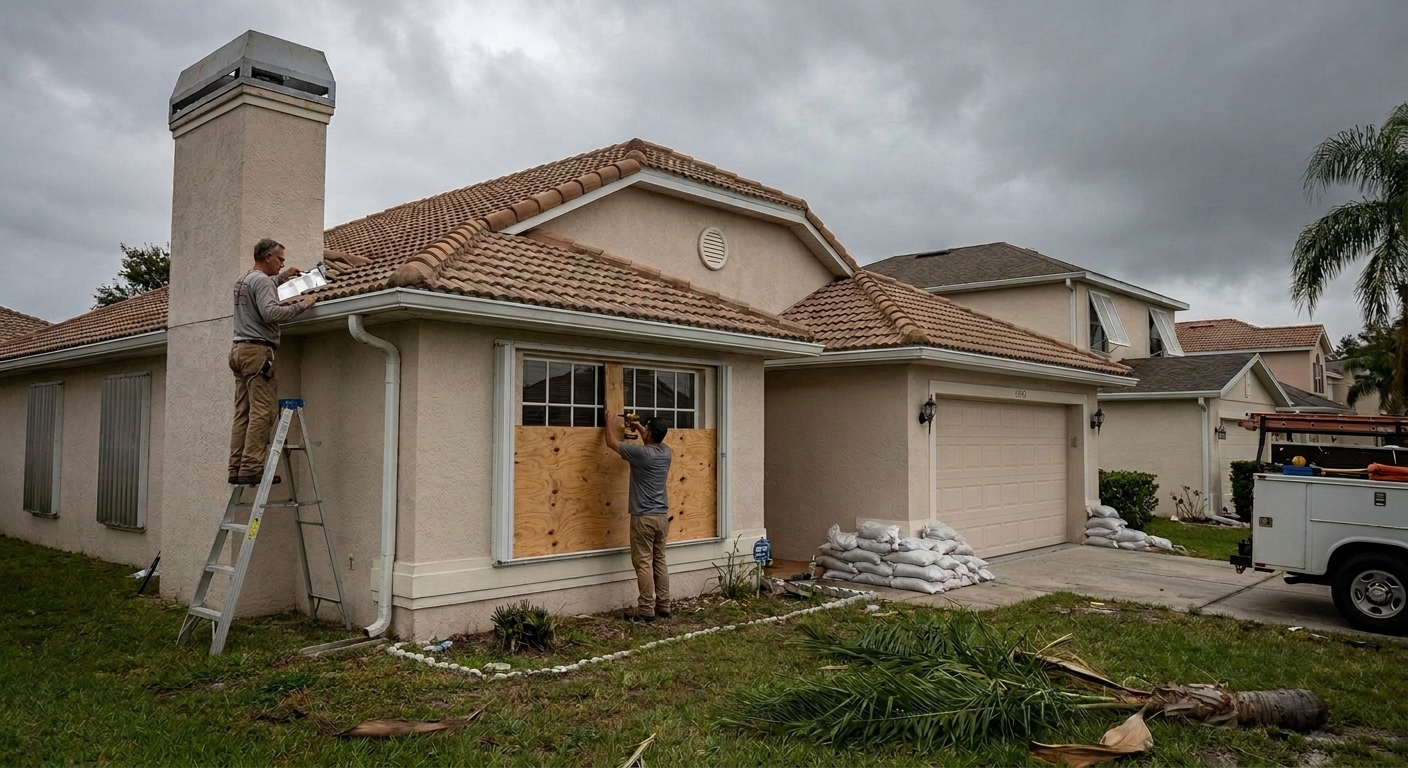
Windows are the next weak link. Check every seal, every piece of weatherstripping, every frame. If you've got single-pane glass or old aluminum frames, consider upgrading to impact-resistant windows. If that's not in the budget, at least have storm shutters ready to go. Tape doesn't work. Hoping doesn't work. Only real reinforcement works.
Flooding Happens Where You Least Expect It
Your yard's slope matters. If water runs toward your house instead of away from it, you're inviting trouble. Add soil where you need to. Regrade if necessary. It's not glamorous, but it's one of the most effective ways to keep water out of your foundation.
Sump pumps fail when you need them most — usually because no one tested them beforehand. Run yours now. Make sure it kicks on. If you don't have a battery backup, get one. Power goes out during storms, and that's exactly when you need the pump working. Sandbags and flood barriers aren't overkill if you're in a low area. They're the difference between a wet floor and a destroyed interior.
Everything Outside Becomes a Weapon
Patio furniture, grills, planters, kids' toys — anything that's not tied down will fly. And when it does, it's going through a window or denting a car. Bring it all inside or anchor it. Trim dead branches. Check fence posts. Walk your property like you're looking for things that could kill someone, because in 100 mph winds, they can.
Build Your Repair List Before You Need It
After a hurricane, every contractor in the state is booked for months. If you wait until your roof is leaking to find a roofer, you're too late. Build your list now. Vet them now. Get quotes, check licenses, read reviews. Keep that list somewhere you can access it even if your power's out.
Document everything. Photos, videos, receipts. Walk through your house and your yard with your phone out. Capture the condition of your roof, your windows, your landscaping. If you file a claim later and don't have proof of what it looked like before, you're fighting an uphill battle. Store those files in the cloud or on a external drive you can grab fast.
What to Do the Minute the Storm Clears
Don't wait for an all-clear from your HOA. Check your property as soon as it's safe. Look for obvious damage first — missing shingles, broken glass, standing water. Cover what you can with tarps or plywood. The goal isn't a permanent fix. It's stopping things from getting worse while you wait for professionals.
Call your insurance company immediately. Don't wait a week. Don't assume they'll reach out. File the claim, send the photos, follow their process. And watch out for unlicensed "storm chasers" who knock on doors offering cheap repairs. They disappear as fast as they show up, and their work won't hold. Verify credentials. Always.
The Ones Who Survive Are the Ones Who Prepared
Hurricane season isn't a surprise. It shows up every year. The homeowners who come out ahead are the ones who treated it like the threat it is — not the inconvenience they hoped it wouldn't be. Weak points don't fix themselves. Insurance doesn't cover negligence. And contractors don't magically appear when everyone else is calling them too. Professional hurricane damage remediation restoration services can help address structural issues, water damage remediation restoration can tackle flooding problems, and mold remediation restoration specialists can handle hidden moisture issues before they become major problems.
So tighten up what's loose. Reinforce what's weak. Document what's there. If you need comprehensive home repairs, professional home renovations, or specialized home remediation restoration services, contact us today. Because when the next storm hits Tampa Bay, your house will either hold or it won't. And the difference is in what you do right now.
Let’s Get Your Home Storm-Ready Together
We know how much is riding on the strength of your home when hurricane season rolls in. Let’s make sure you’re not left scrambling after the next big storm. If you’re ready to shore up your property and want expert help you can trust, give us a call at 727-443-4246. Or, if you’d rather start the conversation online, request a quote and let’s protect what matters most—together.
‹ Back
Recent Posts
-
What to Expect During Fire Damage Cleanup in Seminole
September 28, 2026
-
Does Your Tampa Bay Bathroom Feel Outdated or Too Small?
September 14, 2026
-
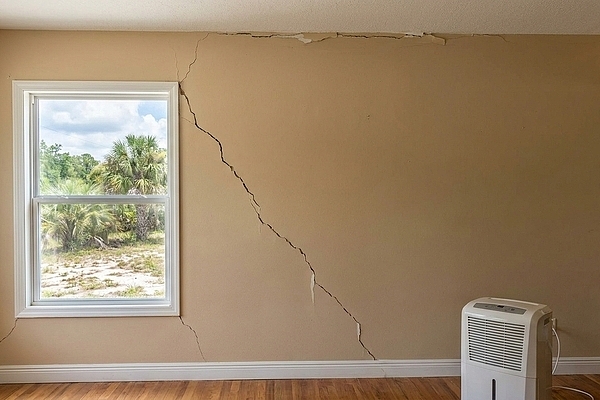
Why Are Cracks Showing Up in Your Seminole Drywall?
August 31, 2026
-
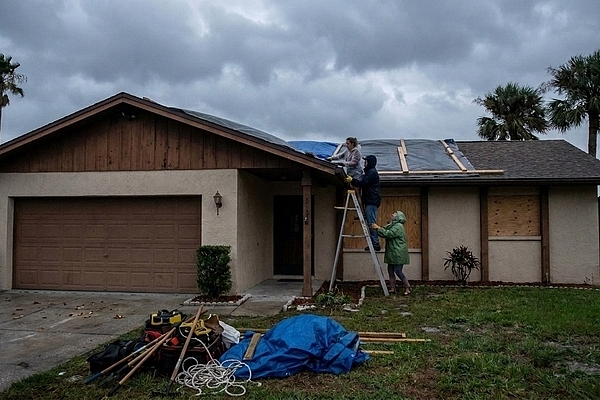
Is Your Tampa Bay Home Ready for Hurricane Season Repairs?
August 17, 2026
-
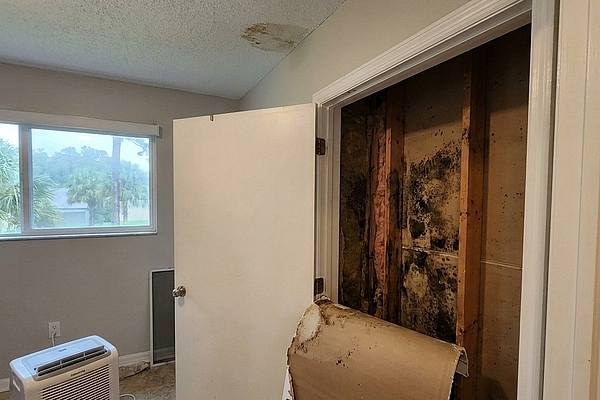
Can Water Damage Cause Hidden Mold in Seminole Homes?
August 3, 2026