



By using our website, you agree to the use of cookies as described in our Cookie Policy
Blog
Noticing Signs Of Mold In Your Seminole Home & Not Sure What To Do Next?
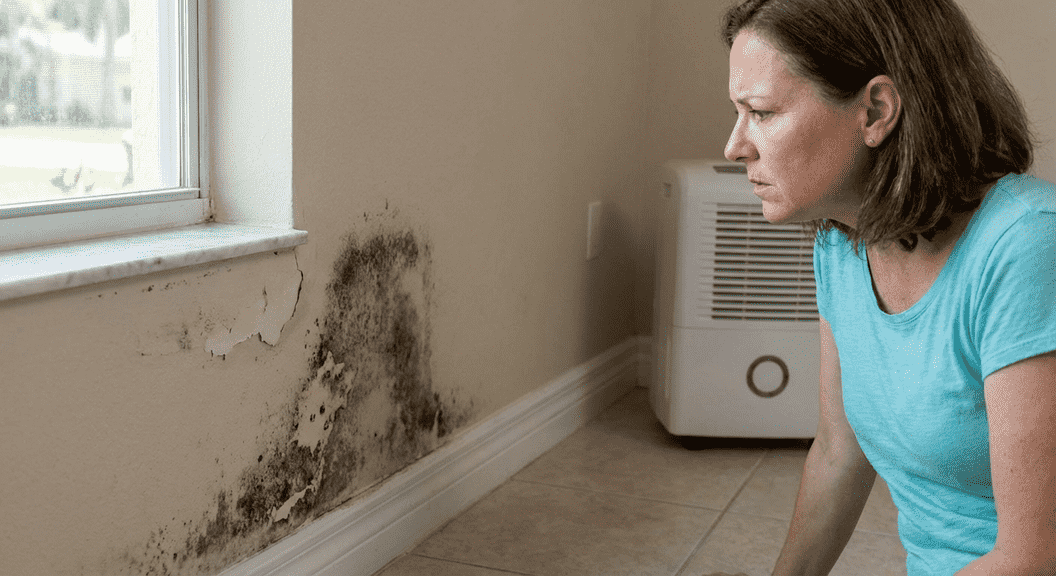
Most homeowners think mold is just a cosmetic issue. A little discoloration, maybe a weird smell. But the reality is far messier — and if you're not paying attention, you're setting yourself up for serious problems. Mold doesn't just sit there looking ugly. It spreads, it damages, and it can make people sick. Especially in Seminole, where humidity gives mold every advantage it needs to thrive.
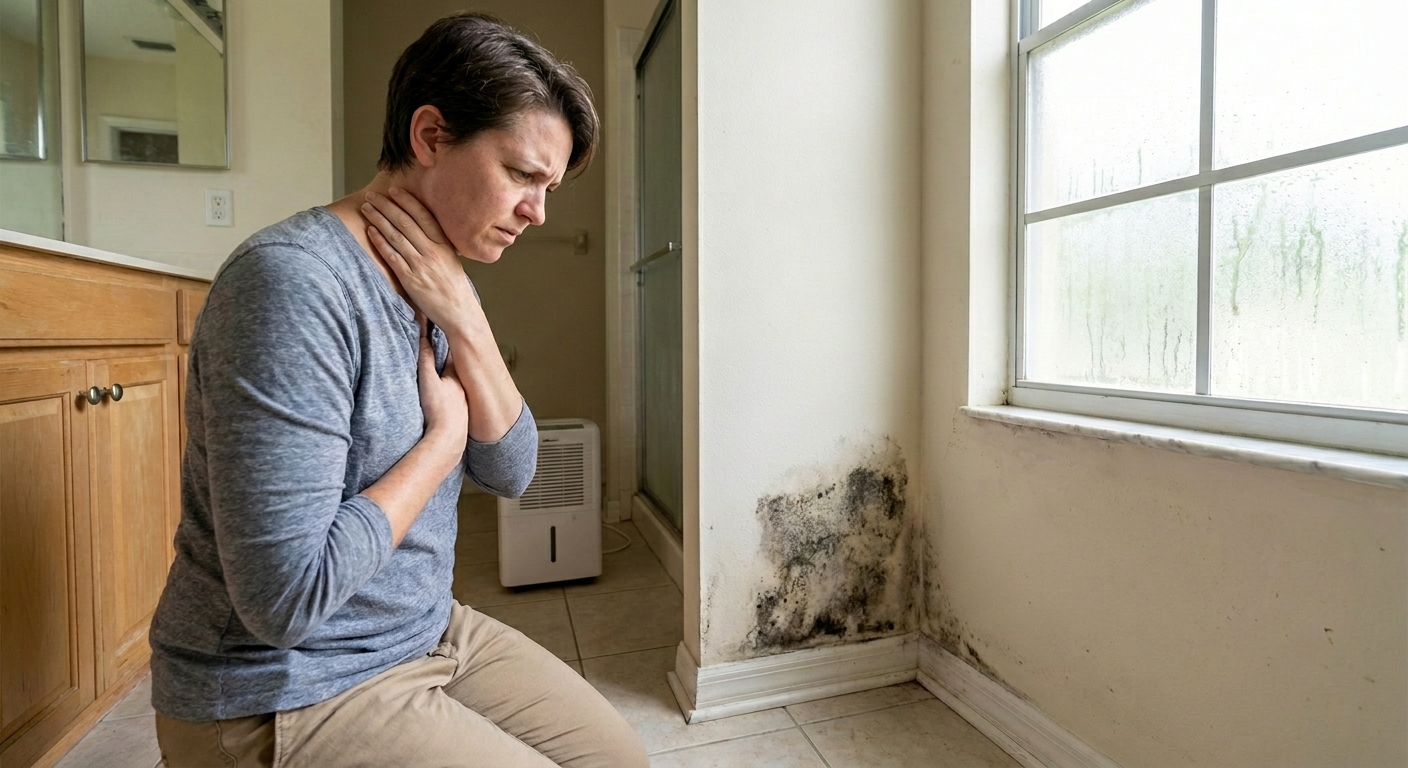
So here's what matters. If you've spotted something suspicious — whether it's a patch on the wall, a musty odor that won't quit, or unexplained allergy flare-ups — you need to act. Not next week. Not after you Google a few DIY fixes. Now. Because mold doesn't wait, and neither should you.
What Mold Actually Looks Like in Your Space
Mold isn't always obvious. Sometimes it hides behind baseboards, under carpets, or inside walls where you'd never think to check. But there are warning signs that show up before the problem becomes impossible to ignore.
Here's what we see most often:
- A persistent earthy or musty smell that lingers even after cleaning
- Visible patches in black, green, white, or orange tones on surfaces
- Water stains, peeling paint, or warped drywall that signal moisture trouble
- Allergy symptoms like sneezing, coughing, or skin irritation with no clear cause
- Condensation buildup on windows, pipes, or walls that never fully dries
If any of these sound familiar, you're likely dealing with mold. And the longer you wait, the worse it gets.
Why This Isn't Just About Appearance
Mold does more than ruin your walls. It eats through building materials like drywall and wood, weakening the structure of your home over time. But the bigger risk? Health. Mold releases spores into the air, and breathing them in can trigger a range of issues — especially for kids, elderly family members, or anyone with asthma or allergies.
Common reactions include:
- Breathing difficulties and respiratory irritation
- Itchy eyes, runny nose, and throat discomfort
- Skin rashes that appear without explanation
- Persistent headaches and fatigue
- Worsening asthma attacks or allergy symptoms
This isn't something you can ignore and hope it goes away. Mold demands action.
Your First Moves After Spotting Mold
The moment you confirm mold, your instinct might be to grab bleach and start scrubbing. Don't. Disturbing mold without the right precautions can send spores airborne, making the problem worse. Instead, follow a smarter approach.
Start by identifying where the moisture is coming from. Mold needs water to survive, so there's always a source — a leak, condensation, high humidity, or poor ventilation. Fix that first, or the mold will just come back.
- Leave the mold alone and avoid touching or cleaning large areas yourself
- Check for leaks in plumbing, roofs, or around windows and doors
- Increase airflow by opening windows, but skip the fans that could spread spores
- Take clear photos of the affected areas for documentation
- Call a professional mold remediation company if the area is larger than a small patch
- Reach out to your insurance provider to see if remediation is covered
Stopping Mold Before It Starts Again
Once the mold is gone, your job isn't over. Florida's climate makes Seminole homes prime targets for regrowth, so prevention is everything. You need to control moisture, improve airflow, and stay vigilant about problem areas.
Here's how to keep mold from making a comeback:
- Run dehumidifiers and air conditioners to keep indoor humidity below 60%
- Repair any leaks in your roof, walls, or plumbing as soon as they appear
- Ensure bathrooms, kitchens, and laundry rooms have proper ventilation
- Dry out any water damage within 24 to 48 hours to prevent mold from taking hold
- Inspect basements, crawl spaces, and other moisture-prone areas regularly
When DIY Isn't Enough
Small mold spots on hard, non-porous surfaces? You might be able to handle those with the right cleaning products. But anything larger, anything on drywall or wood, or anything that keeps coming back? That's professional territory.
Mold remediation specialists have the equipment, training, and experience to remove mold safely and completely. They'll also identify hidden growth and address the root cause so you're not dealing with the same issue six months from now. If you're unsure about the scope of the problem, don't guess. Get it checked. Professional home remediation restoration services can assess the full extent of damage and provide comprehensive solutions. For issues stemming from water damage, addressing the source is critical to preventing future mold growth. Many homeowners also benefit from home repairs that fix underlying structural issues contributing to moisture problems. If you need expert guidance, contact us to discuss your specific situation. You can also request a quote to understand the scope and cost of professional remediation.
Protecting What Matters Most
Spotting mold in your Seminole home isn't the end of the world, but it is a signal that something needs to change. Whether it's fixing a leak, improving ventilation, or bringing in a pro to handle the cleanup, the key is moving fast. Mold doesn't give you the luxury of waiting around, and your home — and your health — deserve better than that. Take the next step today, and make sure your space stays safe, dry, and mold-free.
Let’s Restore Your Peace of Mind
We know how stressful it can be to discover mold in your home, but you don’t have to face it alone. Our team is ready to help you reclaim a safe, healthy living space with proven solutions tailored to Seminole’s unique climate. If you’re ready to take action, call us at 727-443-4246 or request a quote and let’s get your home back on track together.
‹ Back
Recent Posts
-
What to Expect During Fire Damage Cleanup in Seminole
September 28, 2026
-
Does Your Tampa Bay Bathroom Feel Outdated or Too Small?
September 14, 2026
-
Why Are Cracks Showing Up in Your Seminole Drywall?
August 31, 2026
-
Is Your Tampa Bay Home Ready for Hurricane Season Repairs?
August 17, 2026
-
Can Water Damage Cause Hidden Mold in Seminole Homes?
August 3, 2026