



By using our website, you agree to the use of cookies as described in our Cookie Policy
Blog
What Should You Do After Water Damage in Seminole?
Water damage doesn't wait for permission. It shows up through a ceiling crack, a busted pipe, or a storm that won't quit — and by the time you notice, it's already spreading. In Seminole, where humidity sticks around and weather patterns shift fast, water intrusion can turn a small problem into a structural nightmare if you don't move quickly. The difference between a manageable cleanup and a full-blown disaster often comes down to what you do in the first few hours.
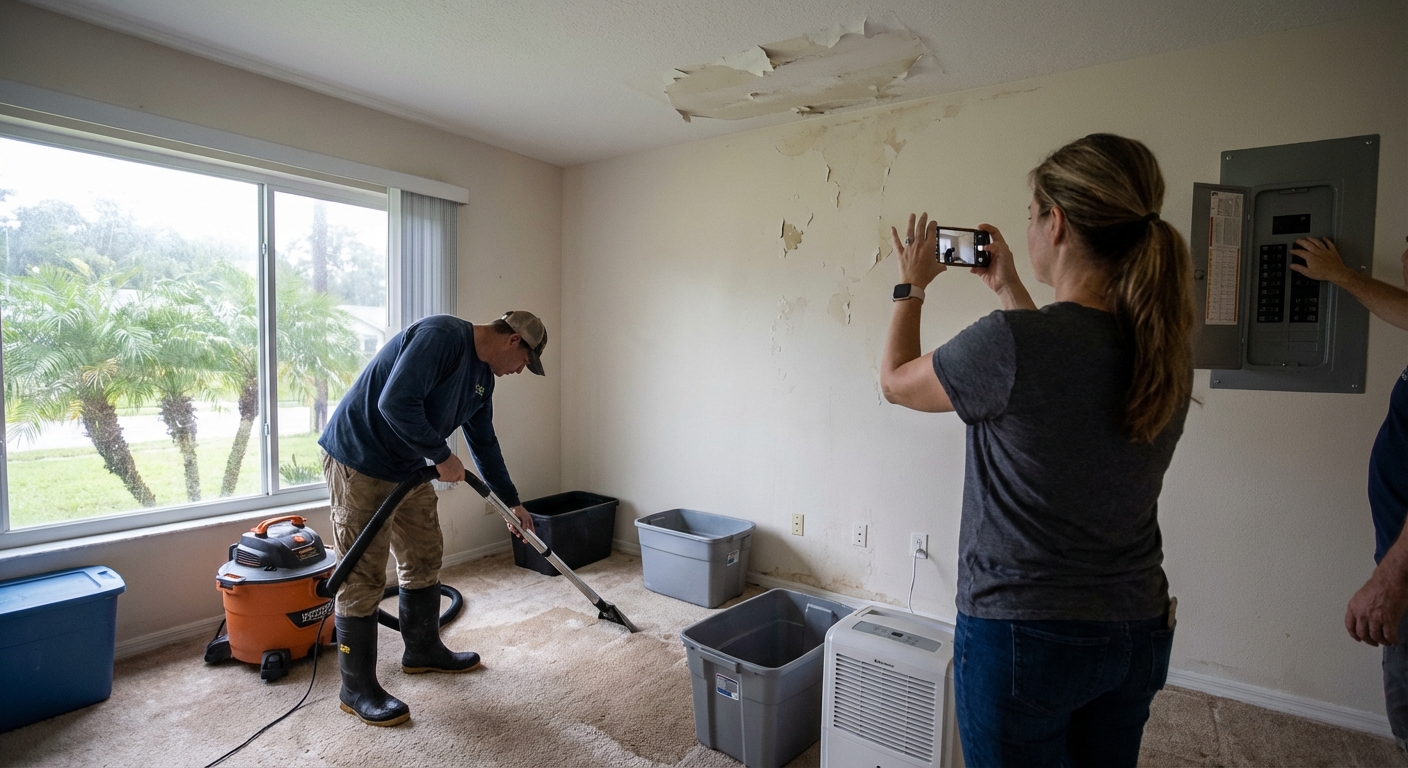
We've seen too many property owners freeze up or make the wrong call because they didn't know where to start. So here's the breakdown. No fluff, no guessing — just the moves that matter when water's already inside and the clock is ticking.
Cut the Power Before You Touch Anything
Electricity and standing water don't negotiate. If there's any chance the affected area has live outlets, appliances, or wiring submerged or soaked, kill the power at the breaker. Don't wade through water to flip a switch. Don't assume it's safe because the lights are still on. If you're not certain you can do it without risk, get out and call for help.
This isn't about being overly cautious. It's about not becoming part of the problem. Water conducts current, and even shallow flooding can create hazardous conditions faster than you think. Safety isn't the second step — it's the only first step that matters.
Find the Source and Shut It Down
You can't bail out a sinking boat if the hole's still open. Same logic applies here. Whether it's a supply line, a water heater, or a roof leak, you need to stop the inflow before you start the cleanup. Locate your main shutoff valve and turn it off if the source is internal. If it's weather-related, you'll have to wait it out — but at least you'll know what you're dealing with.
Most homeowners don't know where their shutoff is until they need it. That's a problem. Take five minutes right now to find it, tag it, and make sure everyone in the house knows where it lives. When water's pouring in, you don't have time to search.
Document Everything Before You Move a Thing
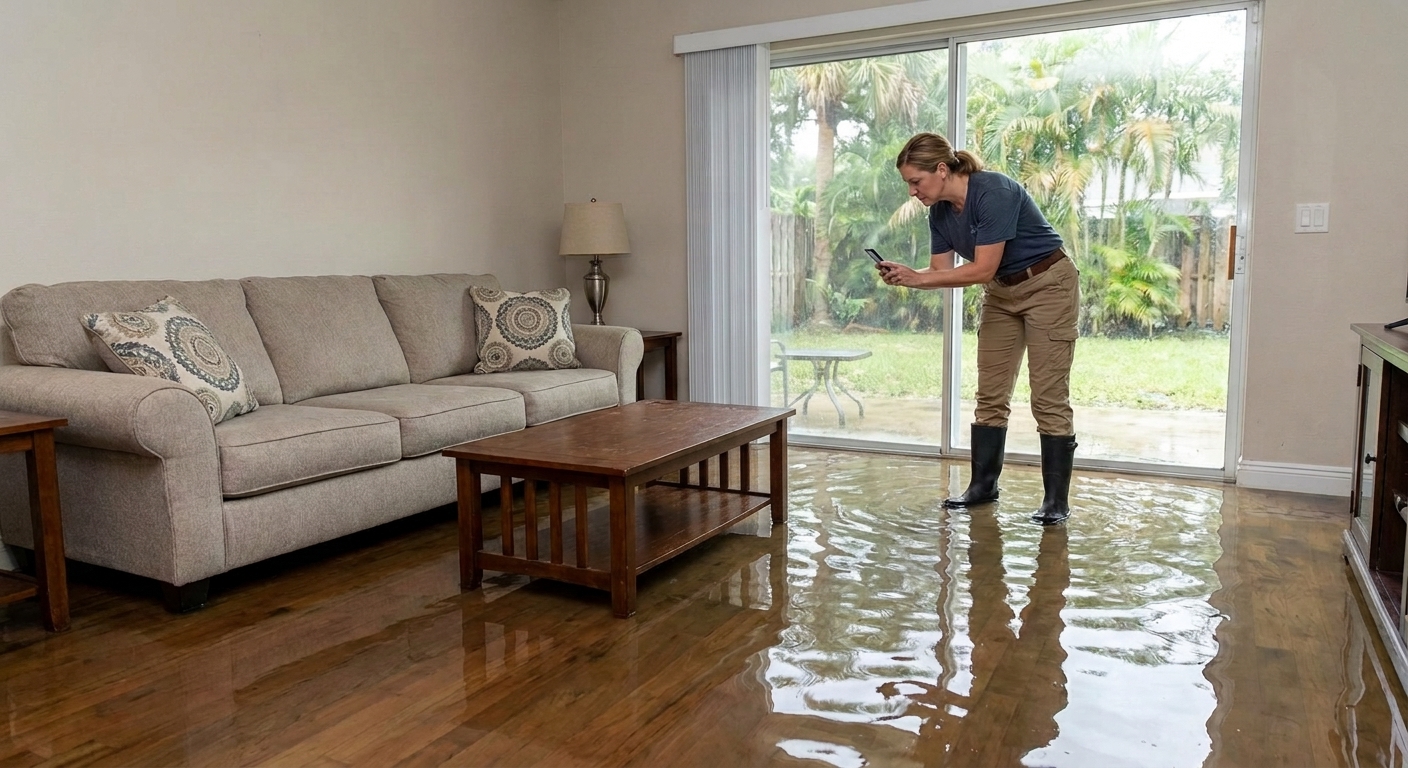
Your insurance company won't take your word for it. They'll want proof — photos, videos, timestamps, the works. Walk through every affected room and capture the damage from multiple angles. Get close-ups of soaked drywall, warped flooring, ruined furniture, and anything else that took a hit.
This step feels tedious when you're staring at a mess, but it's non-negotiable. Without documentation, you're fighting an uphill battle when it's time to file a claim. And if you skip it because you want to start cleaning, you might be throwing away thousands of dollars in coverage. Snap the pictures first. Clean second.
Get Your Insurer on the Line Immediately
Don't wait until the weekend's over or until you've "handled it yourself." Call your insurance company as soon as you've documented the damage. Some policies have strict notification windows, and missing them can cost you coverage. Give them the facts, send over your photos, and follow their process to the letter.
They may send an adjuster. They may recommend specific restoration vendors. Either way, you want that claim filed while the damage is fresh and the timeline is clear. Delays create gaps, and gaps create denials.
Pull the Water Out Fast
Standing water is a countdown timer to mold, rot, and structural failure. The longer it sits, the deeper it soaks, and the harder it becomes to reverse the damage. Start extraction immediately using whatever tools you have — wet vacs, mops, towels, buckets. If the volume is beyond what you can handle with household gear, bring in a water damage remediation restoration crew with industrial pumps and dehumidifiers.
Ventilation matters just as much as extraction. Open windows, run fans, and get air moving through the space. Stagnant, humid air is mold's best friend, and in Seminole's climate, you're already fighting an uphill battle. Speed and airflow are your two biggest weapons here.
- Use wet/dry vacuums to pull water from carpets and hard floors
- Remove soaked rugs and padding immediately
- Run dehumidifiers in enclosed spaces to drop moisture levels
- Position fans to create cross-ventilation and accelerate drying
- Monitor humidity with a hygrometer — anything above 60% invites mold
Toss What Can't Be Saved
Not everything survives a flood. Porous materials like carpet padding, insulation, and particle board furniture are usually done once they're waterlogged. Drywall that's been soaked for more than 48 hours is a mold risk even if it looks dry. Don't try to salvage items that will cost more to restore than replace — or worse, create health hazards down the line.
Hard surfaces and non-porous items can often be cleaned and disinfected. But if something's swollen, discolored, or smells off, it's time to let it go. Sentimentality doesn't trump safety, and holding onto compromised materials just extends the damage.
- Discard soaked carpet padding and underlayment
- Remove drywall that's been wet for over two days
- Toss particle board or MDF furniture that's swollen or warped
- Bag and remove any insulation that's been saturated
- Separate salvageable items and dry them in a well-ventilated area
Scrub and Sanitize Every Surface
Water damage isn't just about moisture — it's about what that water carried with it. Bacteria, sewage, dirt, and debris can all hitch a ride, especially if the source was a storm drain or a toilet backup. Once the water's out, you need to disinfect every surface that got wet. Use EPA-approved cleaners and wear gloves, masks, and protective gear.
Don't skip this step because the area looks clean. Contamination isn't always visible, and cutting corners here can lead to illness or long-term odor problems. Scrub hard, rinse thoroughly, and treat the space like it's been exposed to a biohazard — because in many cases, it has.
- Use bleach solutions or antimicrobial cleaners on hard surfaces
- Wear gloves and masks to avoid contact with contaminants
- Scrub walls, floors, and baseboards with disinfectant
- Rinse thoroughly to remove cleaning residue
- Dispose of cleaning materials properly to avoid cross-contamination
Watch for Mold and Act Before It Spreads
Mold doesn't announce itself with a press release. It creeps in quietly, usually within 24 to 48 hours of water exposure, and by the time you smell it, it's already established. Keep an eye on corners, closets, and any area that stayed damp longer than it should have. If you spot discoloration, fuzzy growth, or catch a musty odor, don't ignore it.
Small patches can sometimes be handled with proper cleaning and ventilation. Larger infestations require professional mold remediation restoration. Mold isn't just a cosmetic issue — it's a health risk and a property value killer. Treat it seriously, and don't assume it'll go away on its own.
- Inspect hidden areas like behind baseboards and inside cabinets
- Use a flashlight to check for discoloration on walls and ceilings
- Monitor humidity levels daily with a hygrometer
- Run dehumidifiers continuously until moisture is under control
- Call a mold specialist if growth exceeds a few square feet
Rebuild with Better Materials and Smarter Choices
Once everything's dry, clean, and mold-free, it's time to rebuild. This is your chance to upgrade materials and make choices that reduce future risk. Swap out standard drywall for mold-resistant versions in high-risk areas. Use water-resistant flooring in basements and bathrooms. Seal gaps, improve drainage, and fix whatever allowed the water in to begin with.
Restoration isn't just about getting back to normal — it's about building back stronger. Work with contractors who understand Florida's climate and the specific challenges Seminole properties face. Professional home repairs and home renovations can address structural issues while implementing preventive measures. Cutting corners now just sets you up for round two.
Tighten Up Your Emergency Plan
Water damage is a wake-up call. Use it to audit your preparedness. Make sure everyone knows where the shutoff valve is. Store important documents in waterproof containers. Check your sump pump, inspect your roof, and clear your gutters. If you're in a flood-prone zone, review your coverage and consider adding flood insurance if you don't already have it.
Preparation isn't paranoia. It's the difference between controlled chaos and total disaster. The next time water shows up uninvited, you'll be ready to move fast and minimize the fallout. That's not luck — that's planning. For comprehensive support with water damage and other restoration needs, explore our full range of home remediation restoration services or contact us for immediate assistance.
Let’s Restore Your Peace of Mind
When water damage strikes, every minute counts—and you don’t have to face it alone. We’re here to help you recover quickly and protect your property for the long haul. If you’re ready to take the next step, give us a call at 727-443-4246 or request a quote so we can get your home back to normal together.
‹ Back
Recent Posts
-
What to Expect During Fire Damage Cleanup in Seminole
September 28, 2026
-
Does Your Tampa Bay Bathroom Feel Outdated or Too Small?
September 14, 2026
-
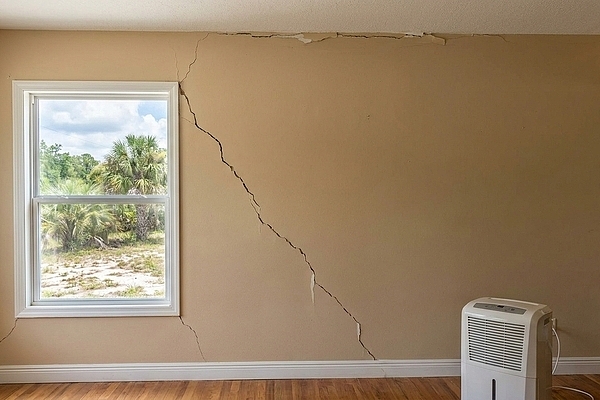
Why Are Cracks Showing Up in Your Seminole Drywall?
August 31, 2026
-
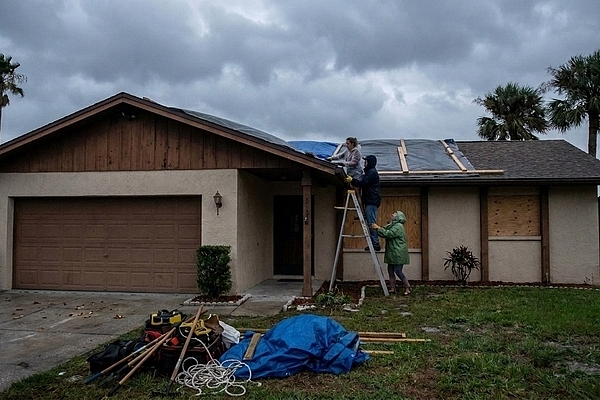
Is Your Tampa Bay Home Ready for Hurricane Season Repairs?
August 17, 2026
-
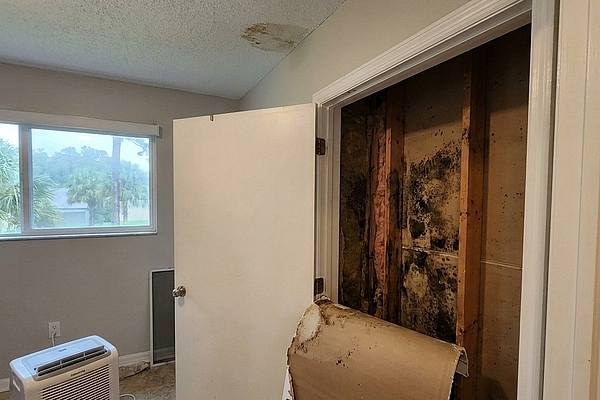
Can Water Damage Cause Hidden Mold in Seminole Homes?
August 3, 2026