



By using our website, you agree to the use of cookies as described in our Cookie Policy
Blog
How Much Does a Home Addition Cost in Seminole?
Most homeowners think adding square footage is just about picking a contractor and signing a check. But the real cost? It's buried in decisions you make before the first nail gets hammered. Material choices, permit delays, site prep—all of it adds up faster than you'd expect. And if you're not tracking every line item, you're asking for sticker shock halfway through the build.
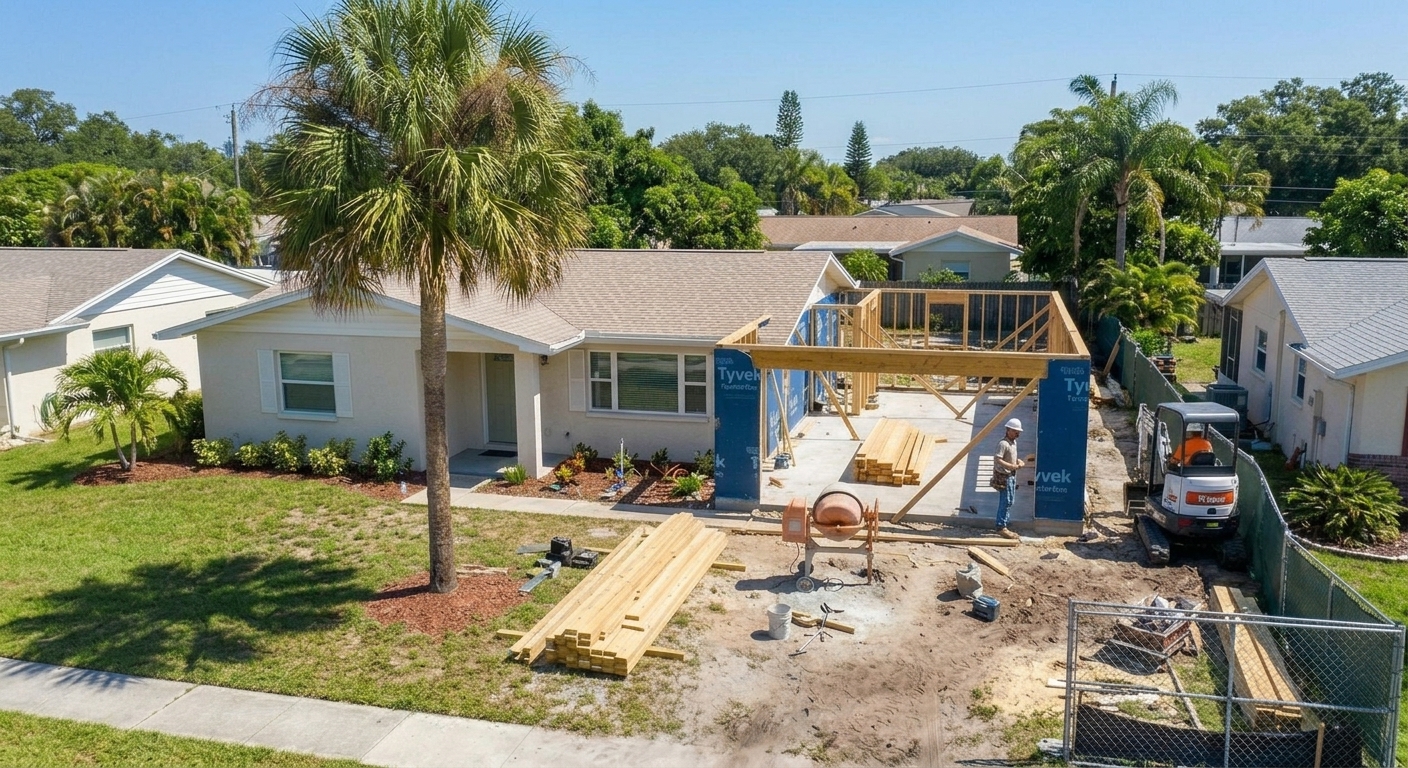
Here's what matters. If you're expanding your home to solve a real problem—growing family, home office, rental income—that's smart. Just don't treat the budget like a suggestion. Every upgrade should have a reason. Every contractor bid needs scrutiny. And every cost decision should be grounded in what you actually need, not what looked good in a magazine.
What Drives the Price Tag
The cost of a home addition in Seminole isn't some fixed number you can Google and call it done. It shifts based on what you're building, how you're building it, and who's doing the work. A basic bedroom bump-out won't cost the same as a second-story master suite with a spa bathroom. And the gap between those two? It's massive.
Size matters, but so does complexity. Adding plumbing or HVAC to a new space costs more than framing out a simple room. Custom finishes, high-end materials, and structural changes all push the number higher. Then there's labor—experienced crews charge more, but they also finish faster and cleaner. Cheap bids often mean corners cut, and that shows up later when doors don't close right or the drywall cracks.
- Type of addition determines baseline costs—bathrooms and kitchens cost more than bedrooms or bonus rooms
- Square footage is the biggest variable—most contractors price per foot, so doubling size doubles cost
- Materials and finishes can swing the budget by tens of thousands depending on what you choose
- Labor rates vary by contractor experience, demand, and project complexity
- Permits and code compliance add fees and timelines you can't skip
- Site prep costs hit hard if your lot needs grading, demolition, or foundation work
- Utilities like plumbing, electrical, and HVAC require rerouting and upgrades that aren't cheap
What You'll Actually Pay
In Seminole, expect to spend between $200 and $500 per square foot for a standard home addition. That range covers basic construction, mid-grade finishes, and competent labor. Go below that, and you're probably cutting corners. Go above, and you're either adding luxury features or dealing with a complicated build.
Different types of additions land in different price brackets:
- Basic room additions (200–300 sq ft): $50,000 to $150,000
- Bathroom additions: $60,000 to $120,000 depending on fixtures and layout
- Kitchen additions: starting at $90,000 and reaching $180,000+
- Sunrooms or enclosed patios: $40,000 to $120,000
- Second-story additions: starting at $200,000 due to structural complexity
Where the Budget Bleeds
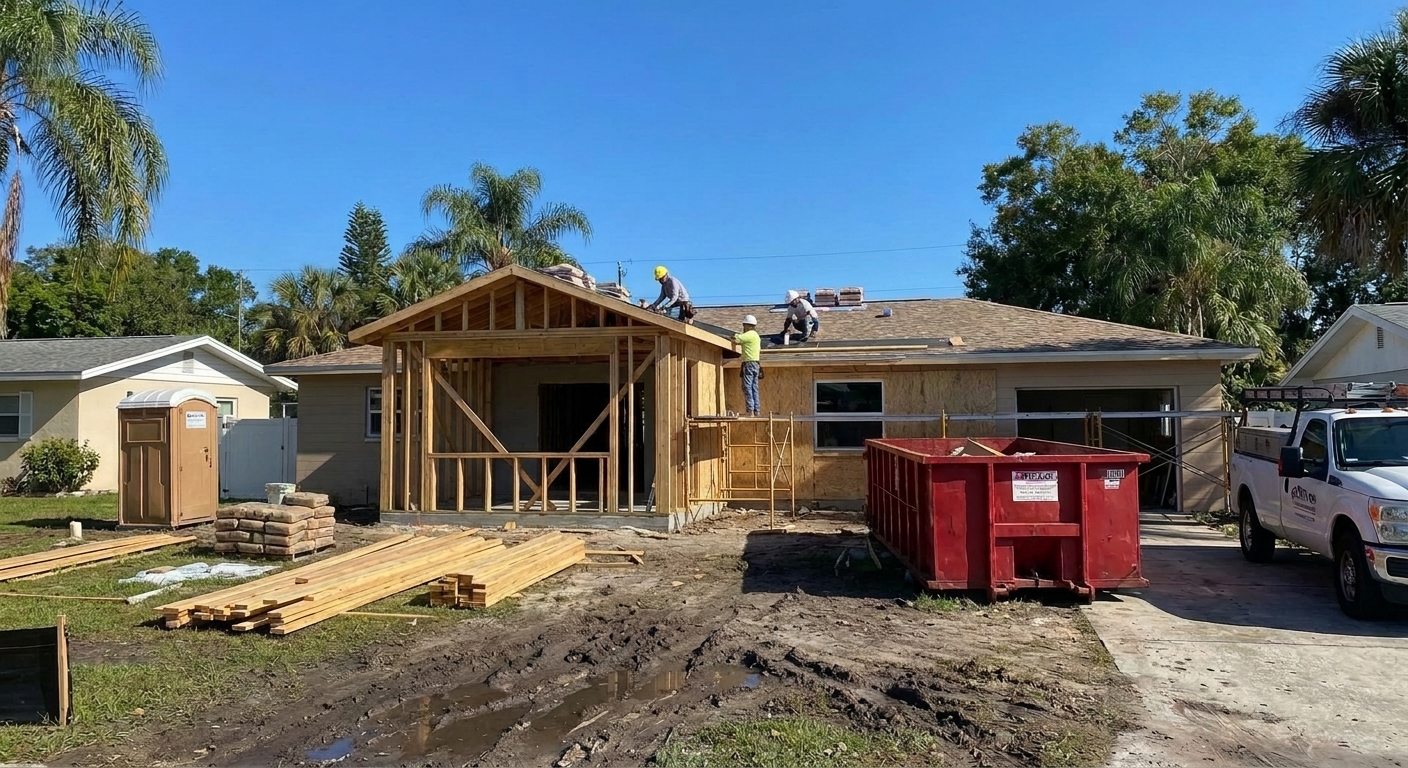
We've seen plenty of homeowners start with a solid budget and end up $20,000 over before the project wraps. It's not always bad planning—it's the little things that pile up. Change orders, material upgrades, unexpected site issues. One decision to swap standard tile for custom stone can add $5,000. Discovering old plumbing that needs replacing? Another few thousand.
Permits in Seminole aren't optional, and they're not free. Depending on the scope, you might pay a few hundred to a few thousand just to get approval. Then there's inspection delays, code updates, and contractor scheduling. All of that eats time, and time costs money. If your contractor hits a snag and the project drags an extra month, you're paying for labor, materials storage, and possibly temporary housing if the addition disrupts your living space.
- Change orders during construction add costs fast—every tweak to the plan costs extra
- Material upgrades seem small but compound quickly across the project
- Unexpected site issues like bad soil or old utilities require fixes you didn't budget for
- Permit fees and inspection delays extend timelines and increase labor costs
- Contractor scheduling conflicts can push your project back and inflate final costs
How to Keep Costs Under Control
Want to avoid budget creep? Lock down your plans before construction starts. Every change you make after the crew shows up costs more than it would have during the design phase. Work with a designer or architect to finalize layouts, materials, and finishes upfront. Get everything in writing. And don't assume you can "figure it out later"—that's how projects spiral.
Get multiple bids from contractors in Seminole. Three minimum. Compare not just the bottom line, but what's included. Some bids look cheap until you realize they don't cover permits, cleanup, or finish work. Ask for references, check their license, and verify insurance. A low bid from an unlicensed contractor might save money now, but it'll cost you when something goes wrong and you have no recourse.
- Finalize plans before construction to avoid expensive mid-project changes
- Get at least three detailed bids from licensed, insured contractors
- Choose standard materials and sizes to reduce custom fabrication costs
- Handle finish work yourself if you have the skills—painting and landscaping are manageable
- Schedule during off-peak seasons when contractors may offer better rates
Does It Actually Add Value
A well-executed addition can boost your home's resale value and improve your daily life. In Seminole's market, extra square footage and modern amenities make properties more competitive. But there's a ceiling. If you're building a $150,000 addition on a $300,000 house in a neighborhood where homes top out at $400,000, you're over-improving. You won't get that money back.
The best additions solve real problems and align with neighborhood values. Adding a bedroom when you need space for a growing family? Smart. Building a luxury master suite in a starter-home neighborhood? Risky. Talk to a local real estate agent before you commit. They'll tell you what buyers in your area actually want and what they're willing to pay for.
Building Smart Means Tracking Everything
Taking on a new construction addition isn't the hard part. Managing the budget, timeline, and quality—that's where homeowners get caught off guard. There's no excuse for sloppy planning when the information is available. But there's also no forgiveness when you blow past your budget because you didn't ask the right questions upfront. Every dollar should have a purpose. Every contractor should have a track record. And every decision should be grounded in what you need, not what sounds impressive. For comprehensive home remodels or home renovations, working with experienced professionals who understand local building codes and market conditions makes all the difference. If you need expert guidance on your project, contact us to discuss your specific needs, or request a quote to get started with a detailed estimate.
Let’s Build Your Ideal Space Together
Home additions are a big investment, but with the right team, you can make every dollar count and every square foot work for your family. We’re here to help you navigate the process, avoid costly surprises, and deliver results that fit your needs and your budget. If you’re ready to talk about your vision or have questions about your options, give us a call at 727-443-4246. When you’re ready to take the next step, request a quote and let’s get started on your Seminole home addition.
‹ Back
Recent Posts
-
What to Expect During Fire Damage Cleanup in Seminole
September 28, 2026
-
Does Your Tampa Bay Bathroom Feel Outdated or Too Small?
September 14, 2026
-
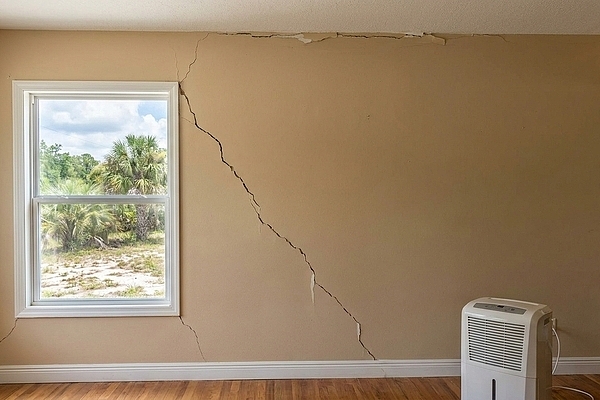
Why Are Cracks Showing Up in Your Seminole Drywall?
August 31, 2026
-
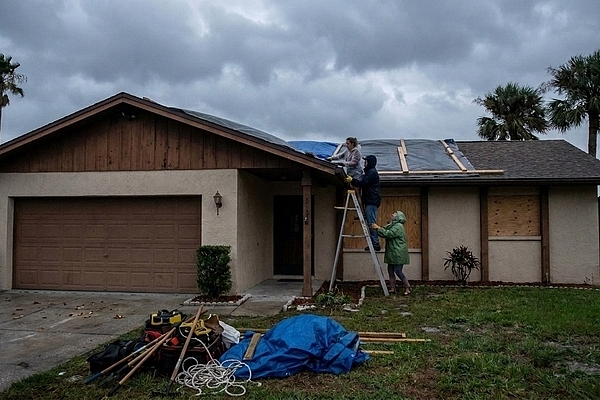
Is Your Tampa Bay Home Ready for Hurricane Season Repairs?
August 17, 2026
-
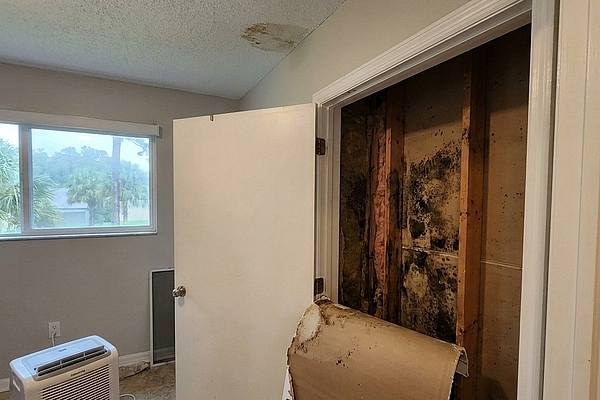
Can Water Damage Cause Hidden Mold in Seminole Homes?
August 3, 2026