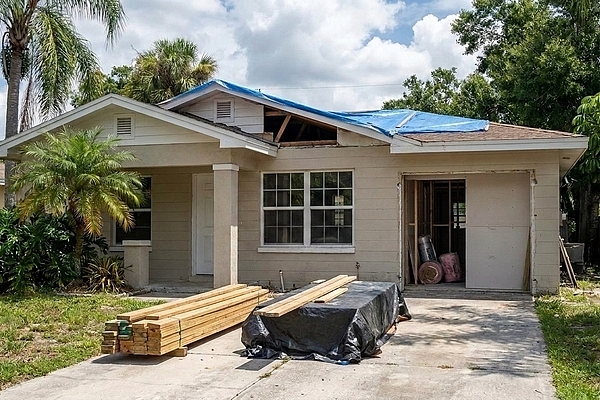



By using our website, you agree to the use of cookies as described in our Cookie Policy
Blog
What Should You Do First After Water Damage In Your Seminole Home?
Water doesn't wait for you to be ready. It shows up through a cracked pipe, a blown roof seal, or a storm surge that doesn't care about your schedule. And once it's inside, the clock starts ticking. Not in hours—in minutes. The difference between a manageable cleanup and a full-blown disaster often comes down to what you do in that first window of chaos.
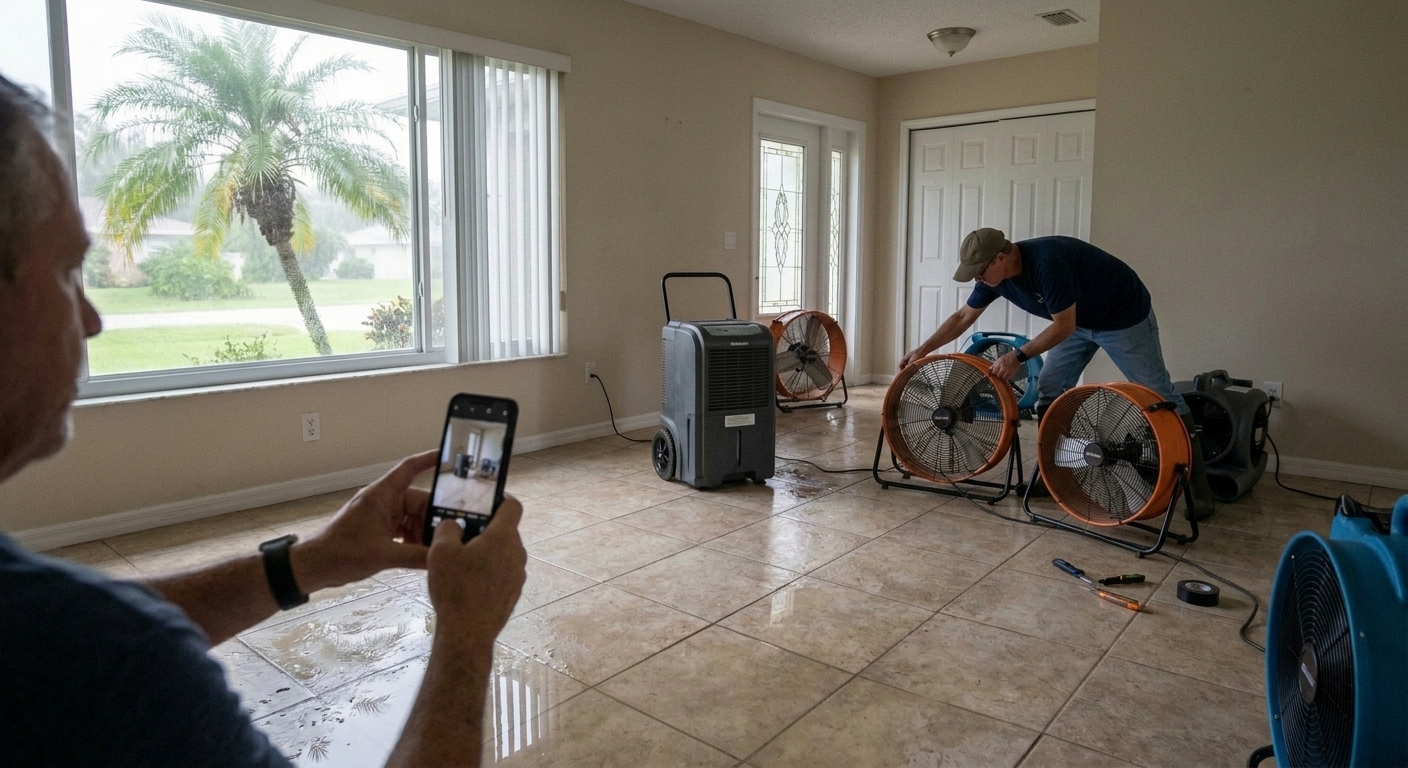
Seminole homeowners know the drill. Humidity's already working against you. Mold doesn't need an invitation. And if you hesitate or guess your way through the first steps, you're handing over control to the water. So here's what actually matters when your home takes on water—and what doesn't.
Cut the Power Before You Touch Anything
Electricity and standing water make for a deadly combination. If there's visible flooding near outlets, appliances, or your electrical panel, do not step into that area. Your first move is to kill the power at the main breaker—assuming you can reach it safely. If you can't, or if you smell gas, get out and call the pros. No photo op or salvage mission is worth your life.
This isn't about being dramatic. It's about not becoming a statistic. Water conducts electricity, and even shallow puddles can carry enough current to stop your heart. If you're unsure whether it's safe, assume it's not. Wait for the fire department or an electrician to clear the scene.
Find the Source and Shut It Down
Once you're safe, figure out where the water's coming from. Burst pipe? Turn off the main water line. Leaking appliance? Disconnect it or shut off its supply valve. If it's rainwater pouring through the roof or flooding from outside, you won't be able to stop the source—but you can slow the damage by blocking entry points with towels, sandbags, or tarps.
Speed matters here. Every minute that water keeps flowing is another minute of soaked drywall, warped flooring, and ruined belongings. Don't wait to see if it stops on its own. It won't.
Document Everything Before You Move a Thing
Your insurance company will want proof. Lots of it. Before you start hauling out furniture or mopping up puddles, grab your phone and start recording. Take wide shots of every affected room, then zoom in on damaged items—furniture, electronics, flooring, walls, personal belongings. The more angles and detail you capture, the stronger your claim.
This step feels tedious when you're staring at a flooded living room, but skipping it costs you later. Adjusters need evidence to process claims, and memories fade fast. Your documentation is your leverage. Use it.
Call Your Insurer Right Now
Don't wait until the cleanup's done to notify your insurance company. Call them as soon as you've documented the damage. They'll walk you through their process, tell you what's covered, and let you know if you need to use specific contractors or follow certain protocols. Some policies have strict timelines for reporting damage, and missing that window can tank your claim.
Be ready to send over your photos and videos. Ask about temporary repairs—some policies cover emergency mitigation like tarping a roof or boarding up windows. Get everything in writing, and keep a log of every conversation. If your claim gets messy later, that paper trail will save you.
Get the Standing Water Out Fast
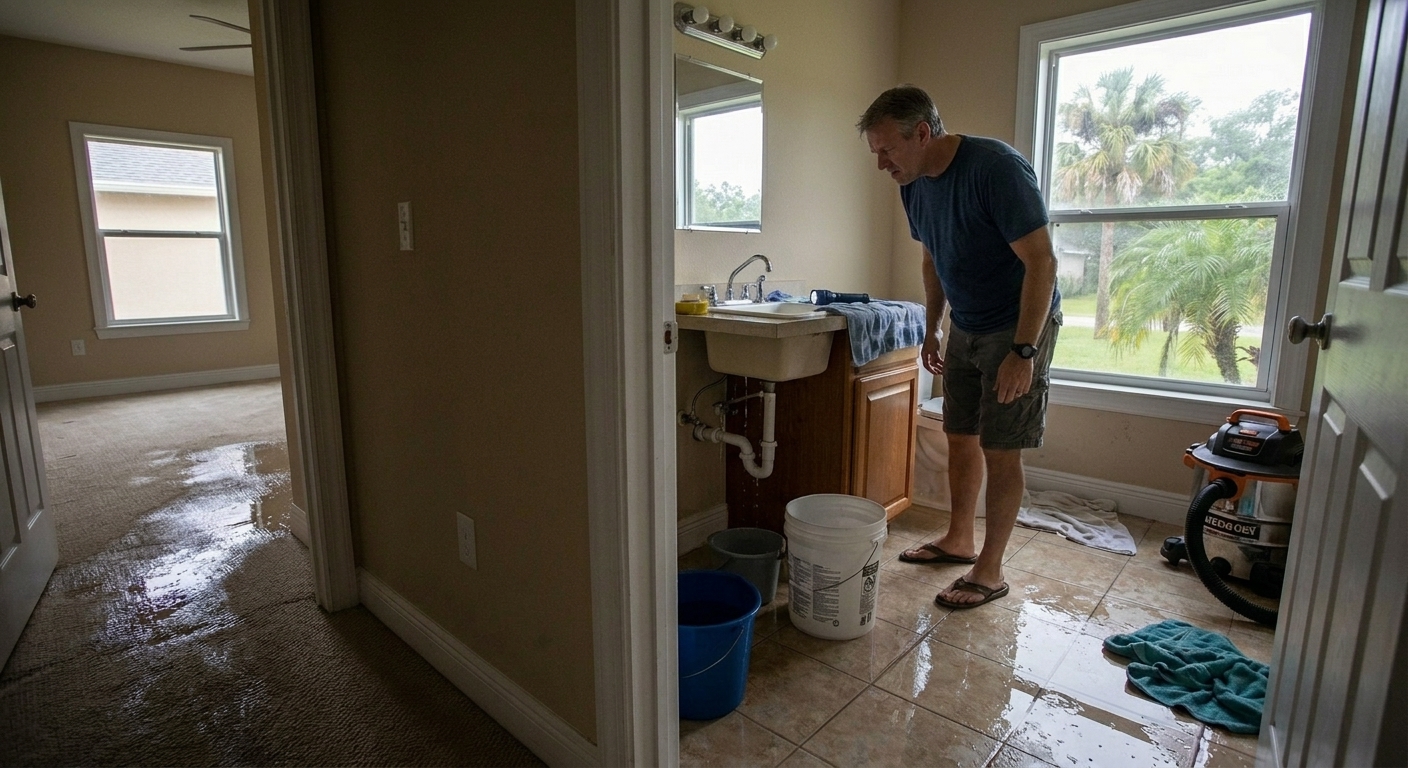
Water sitting in your home is doing damage every second. It's soaking into subflooring, seeping behind baseboards, and creating the perfect breeding ground for mold. If you can safely remove it yourself using buckets, mops, or a wet-dry vacuum, start now. For serious flooding, call a water damage remediation restoration company. They've got industrial pumps and extractors that can clear a room in a fraction of the time.
Seminole's humidity makes this step even more critical. You're not just fighting the water you can see—you're fighting the moisture that's already in the air. The longer you wait, the worse it gets. Move fast or pay later.
Dry Out Everything You Can Reach
Once the standing water's gone, the real drying begins. Open windows and doors if the outside air is drier than inside—otherwise, keep them shut and run dehumidifiers. Set up fans to circulate air across wet surfaces. Pull up soaked carpets and rugs. Move furniture away from walls so air can flow behind it.
Don't assume things are dry just because they look dry. Drywall, insulation, and subflooring hold moisture long after the surface feels fine. If you've got a moisture meter, use it. If you don't, rent one or call in a pro. Guessing wrong here leads straight to mold.
What You Can Save and What You Can't
Not everything survives a flood. Here's what usually makes it and what doesn't:
- Hard surfaces like tile, metal, and sealed wood can often be cleaned and dried
- Electronics that got wet need professional assessment—don't just plug them in and hope
- Clothing and linens can usually be washed and salvaged if dried quickly
- Mattresses, upholstered furniture, and anything with foam padding rarely survive
- Paper products, photos, and documents may be salvageable with freeze-drying or careful air-drying
Move salvageable items to a dry area immediately. The longer they sit in moisture, the less likely they'll make it. And if something's already growing mold or smells like mildew, it's done. Toss it.
Mold Doesn't Wait for Permission
You've got 24 to 48 hours before mold starts colonizing wet surfaces. That's not a lot of time. Clean and disinfect everything the water touched using a bleach solution or commercial antimicrobial cleaner. Pay attention to hidden spots—behind baseboards, under flooring, inside wall cavities. If you see visible mold or smell that unmistakable musty odor, call a mold remediation restoration specialist.
Seminole's climate is mold's best friend. High humidity, warm temperatures, and organic materials everywhere. If you don't act fast, you'll be dealing with a mold problem on top of water damage. And mold remediation is expensive, invasive, and not always covered by insurance.
When to Call the Pros
Some water damage you can handle yourself. A small leak, a minor overflow—those are DIY territory. But if you're looking at serious flooding, structural damage, or contaminated water from sewage or storm surge, bring in a home remediation restoration company. They've got the tools, the training, and the certifications to do it right.
Here's what professionals bring to the table:
- Industrial-grade water extractors and dehumidifiers
- Thermal imaging to find hidden moisture
- Antimicrobial treatments to prevent mold
- Documentation and reporting for insurance claims
- Structural drying and repair coordination
Many Seminole restoration companies offer 24/7 emergency response. If the damage is extensive, don't wait until morning. Call now.
Repairs Come After Drying
Don't rush into repairs before everything's completely dry. Sealing moisture inside walls or under flooring is a recipe for rot and mold. Once a moisture meter confirms the area's dry, you can start replacing drywall, insulation, flooring, and trim. Work with licensed contractors, keep all receipts, and make sure everything's documented for your insurance claim. Professional home repairs ensure that water-damaged structures are properly restored to prevent future issues.
If your insurer requires you to use specific vendors, follow their rules. If not, get multiple quotes and check references. Water damage repairs can get expensive fast, and shoddy work just creates more problems down the line.
What Most Homeowners Miss
Even with the best intentions, people make mistakes during water damage cleanup. Here's where things usually go sideways:
- Waiting too long to start drying, thinking the water will evaporate on its own
- Assuming surfaces are dry because they feel dry to the touch
- Skipping documentation because they're focused on cleanup
- Not checking hidden areas like crawl spaces, attics, or behind appliances
- Trying to save items that are already contaminated or moldy
These mistakes cost time, money, and peace of mind. Avoid them by staying methodical and asking for help when you need it. If you're unsure about the extent of damage or need professional guidance, contact us for an expert assessment.
Your Home Depends on What You Do Next
Water damage doesn't fix itself. It escalates. What starts as a puddle becomes a mold farm, then a structural nightmare. The homeowners who come out ahead are the ones who act fast, document everything, and know when to call in backup. Seminole's climate doesn't give you the luxury of waiting. The humidity's already working against you, and every hour you delay is another hour the damage spreads. Cut the power, stop the source, document the scene, and get the water out. For comprehensive assistance with water damage and other restoration needs, explore our full range of services. Everything else follows from there.
Let's Restore Your Peace of Mind
We know how overwhelming water damage can feel, but you don't have to face it alone. Our team is ready to help you reclaim your home and prevent further headaches. Let's work together to get your space back to normal—call us at 727-443-4246 or request a quote and take the first step toward a full recovery.
‹ Back
Recent Posts
-
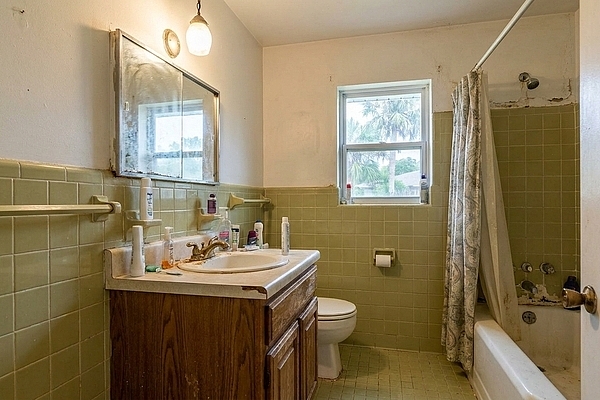
Does Your Tampa Bay Bathroom Feel Outdated or Too Small?
September 14, 2026
-
Why Are Cracks Showing Up in Your Seminole Drywall?
August 31, 2026
-
Is Your Tampa Bay Home Ready for Hurricane Season Repairs?
August 17, 2026
-
Can Water Damage Cause Hidden Mold in Seminole Homes?
August 3, 2026
-